
Karwa Chauth 2026: Date, Moonrise Time, And How The Fast Is Observed
Karwa Chauth falls on Thursday, October 29, 2026. It is a dawn-to-moonrise fast observed mainly by married Hindu women in North India, for the long life and well-being of their husbands. Some husbands also fast alongside their wives in support.
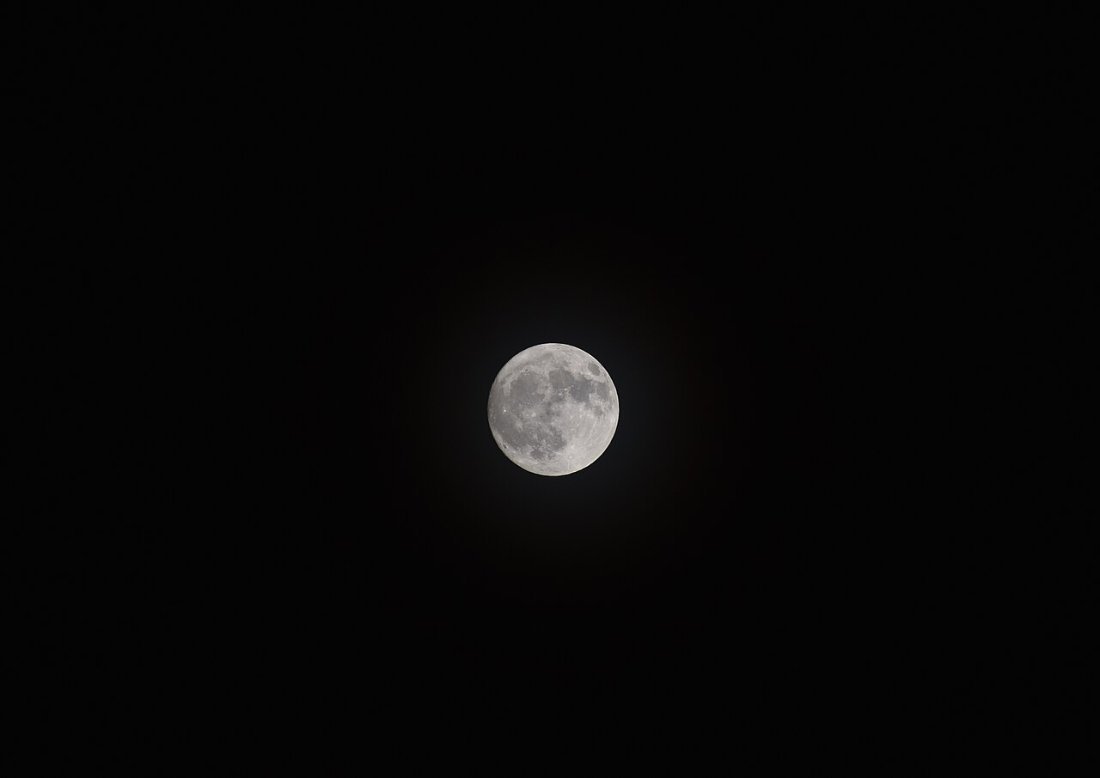
Moonrise time: In New Delhi, moonrise is expected around 8:17-8:18 PM IST, though this varies by 15-45 minutes depending on your city — check local timings before planning.
Puja muhurat: The auspicious window for the evening puja is roughly 5:38 PM to 6:56 PM (New Delhi timing; adjust for your location).
How the fast is observed: Women wake before sunrise to eat “sargi” — a pre-dawn meal, often prepared by their mother-in-law — before beginning a waterless fast that lasts the entire day. The fast is broken only after sighting the moon in the evening, traditionally viewed through a sieve, followed by seeing one’s husband’s face and taking water or food from his hand. The festival is linked to Goddess Parvati, the Moon God, and the legend of Queen Veervati.
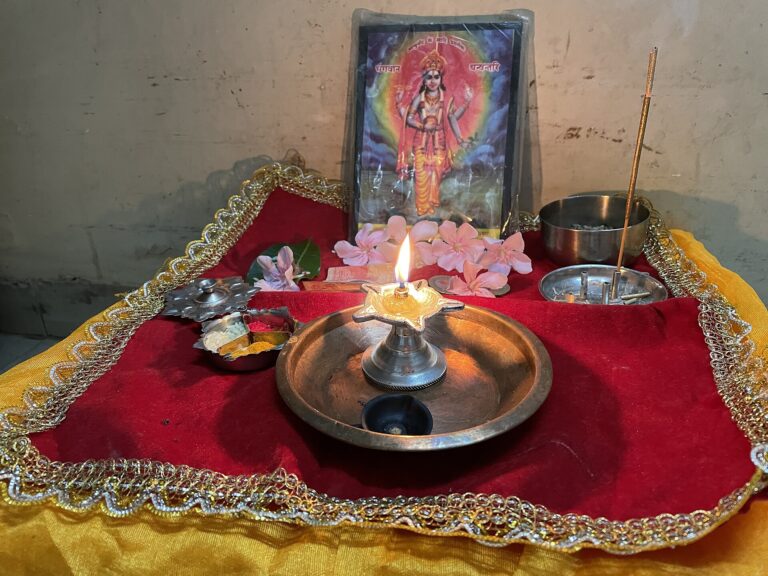
Puja vidhi (how it is performed): After sargi before sunrise, women dress in festive attire (often red), apply mehendi, and gather in the evening for the puja — typically performed in a group, with a thali containing a diya, incense, rice, sindoor, and a “karwa” (small earthen pot). Women listen to or narrate the Karwa Chauth vrat katha, then wait for moonrise, offer water (arghya) to the moon, view it through a sieve, and finally view their husband’s face before breaking the fast with water or food from his hand.
The vrat katha (story): The most widely told legend is of Queen Veervati, the youngest of seven brothers’ sister, who kept her first Karwa Chauth fast after marriage. Unable to bear her weakness from hunger and thirst, her brothers tricked her into believing the moon had risen by creating a false reflection with a mirror and fire in a distant tree. She broke her fast early, and soon after received news of her husband’s death. Grief-stricken, she prayed fervently, and a goddess appeared, revealing the trick and instructing her to observe the fast correctly the next time. Veervati did so, and her devotion restored her husband to life — the story is told to this day as a reminder of the fast’s power when observed with full faith until the moon is truly sighted.
Puja Samagri (what you need): a puja thali, a sieve (chalni), a small earthen pot with a spout (karwa) filled with water, a diya, raw rice (akshat), roli/sindoor, flowers, a glass of water, sweets as prasad, and matha-patti or suhaag items (bindi, mehendi, bangles) for the thali. Many households also keep a copy of the Karwa Chauth vrat katha to read during the evening puja.
Shubh Muhurat: the puja is performed in the evening before moonrise, typically between roughly 5:45 PM and 7:00 PM local time; the fast is broken only after sighting the moon through the sieve — exact moonrise time varies by city, so check your local panchang.