

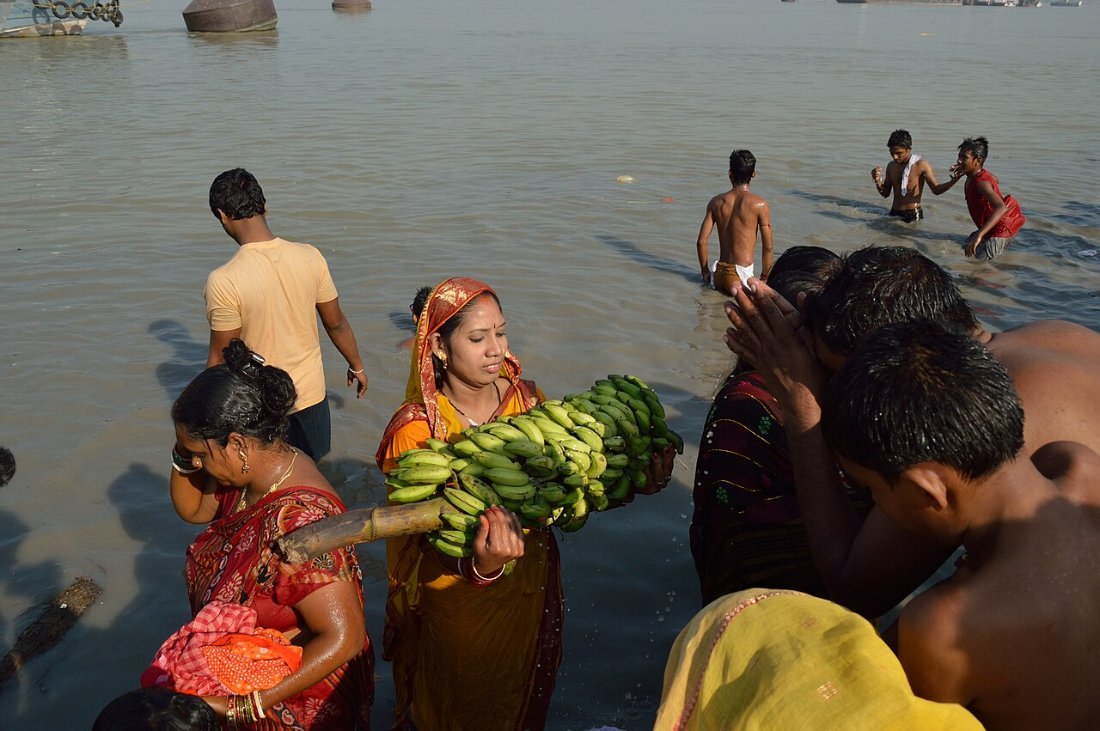
Chhath Puja 2026: Dates, The 4-Day Ritual, And Why It’s Observed Without Idols
Chhath Puja 2026 runs over four days, from November 13 to November 16, with the main evening offering (Sandhya Arghya) on Sunday, November 15. It is one of the most rigorous festivals in the Hindu calendar, widely observed in Bihar, Jharkhand, Eastern Uttar Pradesh, and by communities from these regions across India and abroad.
The four days: Day 1, Nahay Khay (Nov 13) — a ritual bath followed by a simple meal. Day 2, Kharna (Nov 14) — a day-long fast broken in the evening with jaggery-based kheer. Day 3, Sandhya Arghya (Nov 15) — devotees stand in water at sunset to offer arghya (an offering) to the setting sun. Day 4, Usha Arghya (Nov 16) — a pre-dawn return to the water to offer arghya to the rising sun, after which the 36-hour waterless fast concludes.
Significance: Chhath Puja honours Surya, the Sun God, and Chhathi Maiya, and is distinctive for being performed without idols — devotees offer gratitude directly to the sun as the source of all life. The festival emphasises purity, discipline, and gratitude, and is known for its physically demanding rituals, including the long waterless fast and standing in water for extended periods during the arghya offerings.
Puja Samagri: bamboo baskets (soop and dauri), sugarcane stalks, a variety of seasonal fruits (banana, coconut, orange, sweet lime), thekua (a wheat-and-jaggery sweet), raw turmeric and ginger plants, radish, diyas, and a brass or steel vessel (lota) for offering water during the arghya. Offerings are placed in the baskets and carried to the riverbank or pond for the evening and morning rituals.
Shubh Muhurat: the Sandhya Arghya (evening offering to the setting sun) is done around sunset on the third day, and the Usha Arghya (morning offering to the rising sun) at sunrise on the fourth day — exact sunrise/sunset times vary by city, so check your local panchang.