Dev Uthani Ekadashi 2026: Date, Significance, Puja Vidhi And Samagri
Dev Uthani Ekadashi (also called Prabodhini Ekadashi) falls on the Ekadashi of Kartik Shukla Paksha — in 2026, this is Friday, November 20 (observed a day later, on Saturday, November 21, in some Vaishnava traditions). It marks the end of Chaturmas, the four-month period in which Lord Vishnu is believed to be in yogic sleep, and celebrates his “awakening.” From this day, all auspicious ceremonies and weddings — paused during Chaturmas — resume.
Significance: Chaturmas (roughly Ashadh Shukla Ekadashi to this day) is traditionally considered inauspicious for weddings, housewarmings, and other major ceremonies, since Vishnu is said to be resting. Dev Uthani Ekadashi ends that pause, making it one of the most important dates on the Hindu wedding calendar — many families plan engagements and marriages soon after this day.
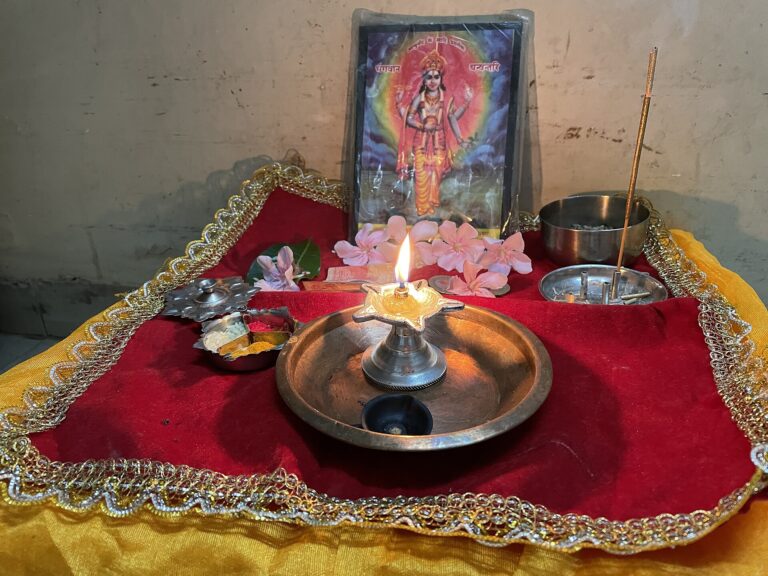
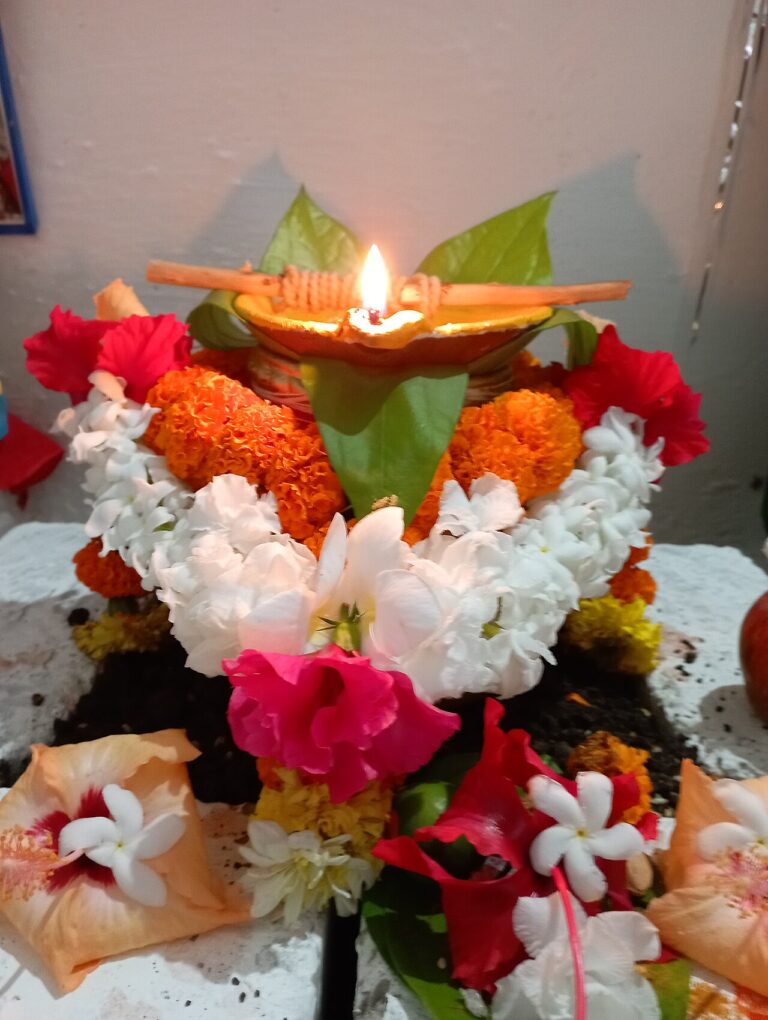
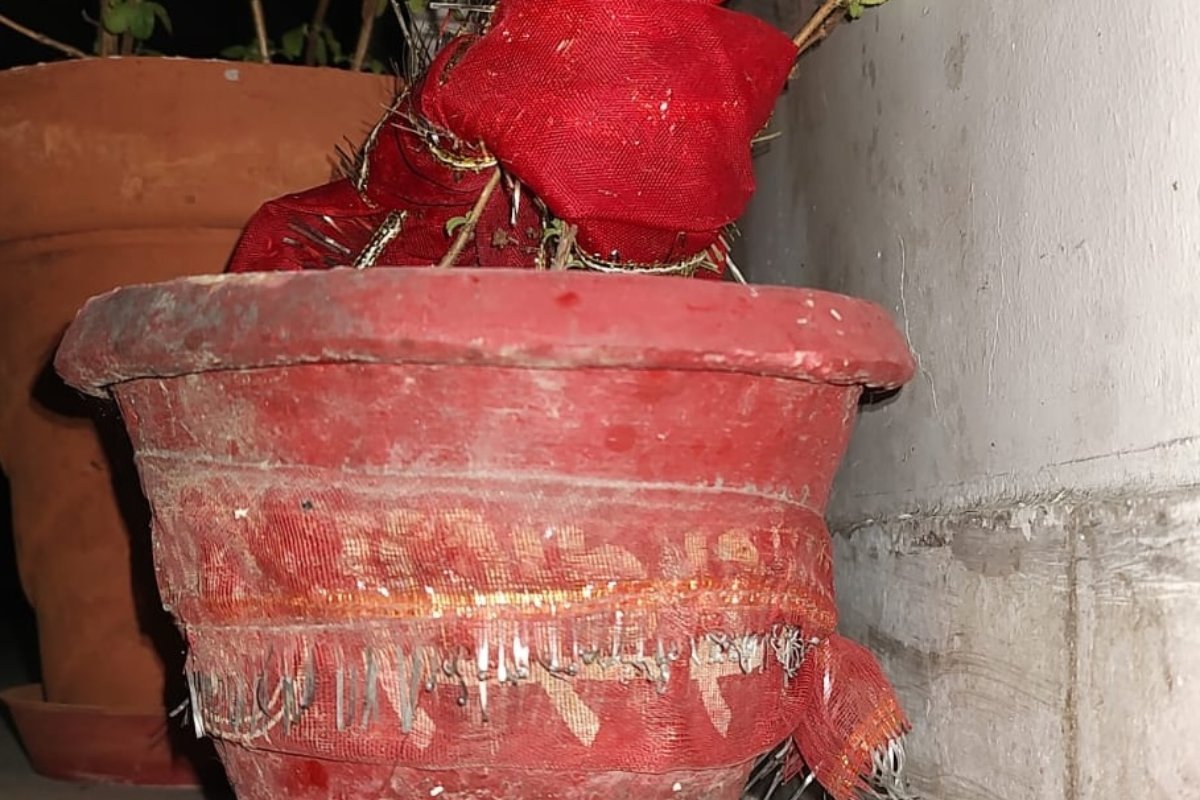
Puja Vidhi: devotees fast through the day. In the evening, a rangoli depicting Lord Vishnu’s footprints is drawn leading from the main entrance of the house to the Tulsi plant, symbolising Vishnu’s journey home. The Tulsi plant is decorated with sugarcane stalks arranged like a small mandap, diyas are lit around it, and the family wakes Vishnu with the ringing of bells, conch shells, and devotional songs, praying for his blessings as the auspicious season begins.
Puja Samagri: a Tulsi plant, a Shaligram or Vishnu idol, sugarcane stalks, diyas, rangoli colours, fruits (especially amla/gooseberry and ber/jujube, which are traditionally offered this season), sweets, and a bell or conch for the awakening ritual.
Shubh Muhurat: the awakening ritual is typically performed in the evening after sunset, with the fast broken the next morning — exact timing and the Smarta/Vaishnava date can differ by a day, so check your local panchang.