
Tulsi Vivah 2026: Date, Significance, Puja Vidhi And Samagri
Tulsi Vivah is the ceremonial marriage of the Tulsi (holy basil) plant — worshipped as an incarnation of Vrinda/Goddess Lakshmi — to Lord Vishnu, usually in his Shaligram or Krishna form. It falls on the Dwadashi right after Dev Uthani Ekadashi, in Kartik Shukla Paksha — in 2026, this is Saturday, November 21. It officially marks the start of the wedding season.
Significance: performing Tulsi Vivah is believed to carry the same spiritual merit as Kanyadan — giving one’s daughter away in marriage — and is especially popular with families without daughters of their own, who perform it each year for that blessing. It also closes out Chaturmas rituals on a festive note, right after Dev Uthani Ekadashi.
Puja Vidhi: the Tulsi plant is dressed like a bride — draped with a red chunri (cloth), bangles, and bindi — while the Shaligram or a small Krishna/Vishnu idol stands in as the groom. A small mandap is built around the plant, often using sugarcane stalks as the pillars. The full wedding ritual is mimicked in miniature: kanyadan-style rituals, circumambulation (phera) of the “couple,” wedding songs (vivah geet), and a concluding aarti, usually performed in the evening with the whole family participating.
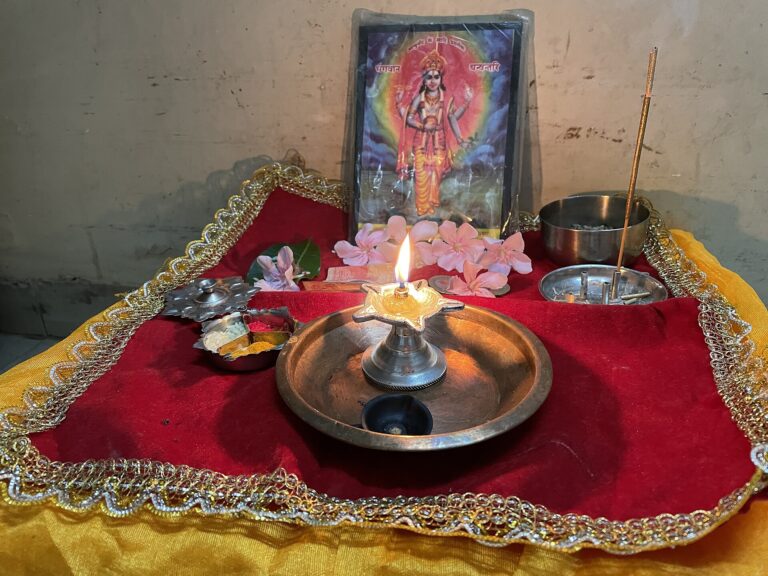
Puja Samagri: a Tulsi plant, a Shaligram or small Krishna/Vishnu idol, a red chunri and bangles for the Tulsi “bride,” sugarcane stalks for the mandap, sindoor, flowers, fruits (especially amla and ber), sweets, and diyas.
Shubh Muhurat: the ceremony is typically performed in the evening, after sunset — exact timing varies by city, so check your local panchang for the Dwadashi tithi window.