Sensex, Nifty Fall Over 1.6% on 24 September 2026: What Moved the Market and What IRDAI’s Proposed Insurance Rules Mean
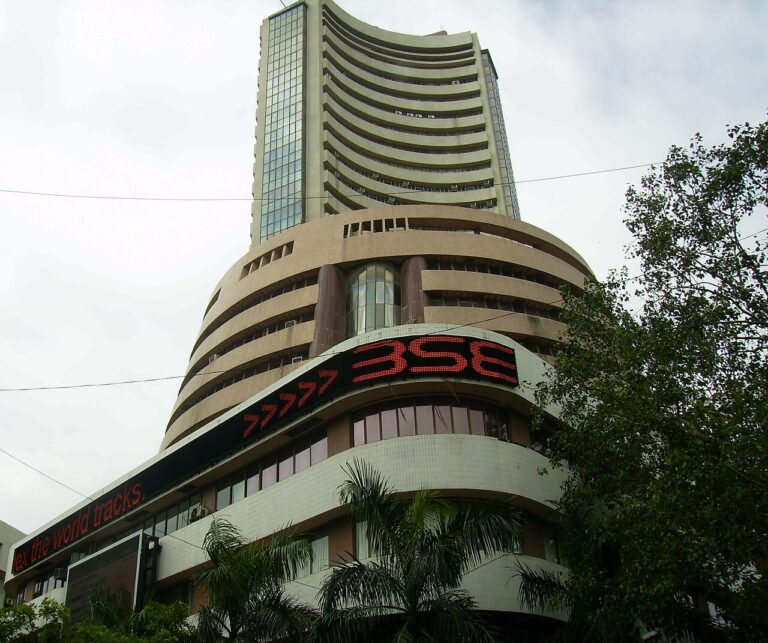
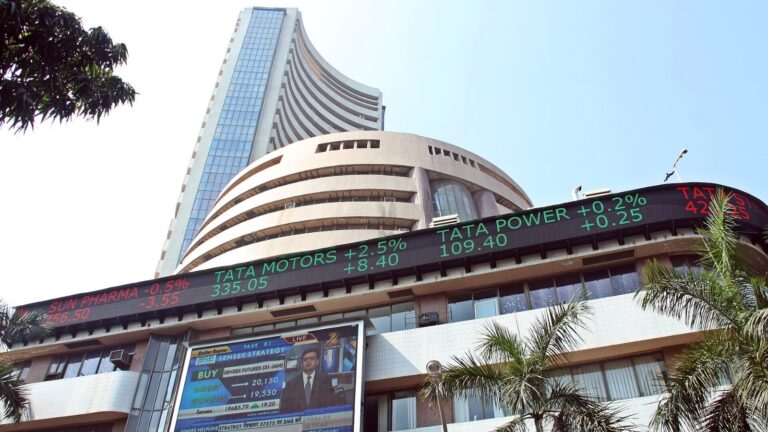
Indian shares fell sharply on Thursday, 24 September 2026. The Nifty 50 closed at 23,063.10, down 383.70 points (1.64%), and the Sensex at 73,580.54, down 1,247.71 points (1.67%), according to market reports. The same week, the insurance regulator IRDAI released a consultation paper on how insurance is sold. This guide explains both, in plain words, using the regulator’s own press release for the insurance part.
Quick facts: 24 September 2026
| Item | What was reported |
|---|---|
| Nifty 50 | 23,063.10, down 383.70 points (1.64%) |
| Sensex | 73,580.54, down 1,247.71 points (1.67%) |
| Nifty Bank | 55,438.50, down 1,110.40 points (1.96%), per Angel One’s market note |
| Sectors | All major sectoral indices ended lower; financial services fell the most |
| Breadth | Roughly 85 out of every 100 stocks in the group tracked by Angel One declined |
| India VIX (fear gauge) | Jumped by roughly a quarter to about 12.95 (reports say 23% to 25%) |
| US 10-year bond yield | Reported above 5%, a level not seen since 2007 (reports say about 5.1%) |
Figures are as reported by news outlets and a broker’s daily note on the evening of 24 September; small differences between sources are normal. Please check the exchanges (NSE, BSE) for official closing data.
What moved the market, according to reports
- Higher US bond yields. A bond yield is the return investors get for lending to a government. When the US 10-year yield rises to multi-year highs, safer US bonds look more attractive, and investors in many countries tend to sell riskier assets such as shares. Reports linked the global fall in equities to this.
- Crude oil. Reports said Brent crude rose to around $105 a barrel. India imports most of its oil, so higher crude prices raise worries about inflation and company costs.
- The IRDAI proposal. Financial stocks fell hardest after the insurance regulator’s consultation paper (explained below). Reports said shares of insurance distributors fell sharply, with PB Fintech, the parent of Policybazaar, dropping about 36% in a day, and several listed insurers also ended lower.
Why higher US yields can matter for India, in general terms: when returns abroad rise, some foreign investors may move money out of emerging markets, which can put pressure on the rupee and on share prices. This is a general explanation, not a forecast.
The IRDAI consultation paper, from the regulator’s own release
On 23 September 2026 the Insurance Regulatory and Development Authority of India (IRDAI) released a public consultation paper titled “Recalibrating Economics of Insurance Distribution”. Important: these are proposals for public comment, not final rules. According to IRDAI’s press release, the proposals include:
- A simpler set of sellers: replacing today’s complex mix with three broad categories: Insurance Distribution Entities, Insurance Distribution Persons and Market Infrastructure Institutions, with simpler registration and lower entry and capital requirements.
- Lower expense limits for insurers: for life insurers, an expense of management limit of 15% of gross direct premium income within two years and 12.5% within five years; for general insurers, a cut from 30% of gross written premium to 20% of domestic gross direct premium income within five years.
- Commissions set by product and channel: instead of one uniform approach, limits would depend on the segment, line of business, sales channel, product complexity and effort involved, with possible extra rewards for selling in small towns and rural areas.
- More disclosure: insurers and large distributors would have to explain their commission policies simply, and specified commercial policies would carry commission disclosures.
- Protection against mis-selling: documenting a customer’s needs and suitability, counting all forms of pay (direct or indirect) as commission, banning volume-linked or reward-linked incentives for bank and NBFC staff selling insurance, linking the seller’s identity to the policy sold, publishing mis-selling incidents, allowing commission claw-back, and tracking “dark patterns” in online selling.
- Digital routes: Market Infrastructure Institutions, with Bima Sugam named as one, and wider use of the Public Insurance Registry.
IRDAI says the aim is to lower the overall cost of insurance, improve transparency, align incentives with policyholder value and bring more people into insurance. The exact commission percentages sit in the paper itself. News outlets reported caps such as 20% for distribution entities and 25% for individual agents on first-year commission for long-term life policies, and lower commissions on health, term and motor policies; because we have not verified those figures against the paper, please read the paper before relying on them.
What this means for ordinary policyholders
Nothing changes today. Your existing policy terms stay as they are. If the proposals are finalised, IRDAI expects lower distribution costs and clearer disclosure; whether premiums or returns change would depend on the final rules and on insurers’ pricing, which we cannot predict. Anyone can comment. The last date for comments is 25 October 2026, through the consultation portal at iib.gov.in/dr, using the Excel template, or by email.
Also in the news the same day
Shares of the National Stock Exchange of India (NSE) began trading on 24 September at ₹1,800, about 0.8% above the ₹1,785 issue price, and were reported to have ended the day about 2% higher. This is a news item, not a suggestion to buy or sell.
Words used in this article
- Nifty 50 and Sensex: indexes that track a basket of large listed companies; they are used as a quick summary of the market.
- India VIX: a measure of how much movement traders expect in the Nifty over the next 30 days. A jump means expected swings have risen; it does not say which way prices will go.
- Consultation paper: a draft proposal published so the public can comment before any rule is made.
- Commission: what an insurer pays a seller, usually as a share of the premium.
- Expense of management: the limit on how much of the premium an insurer may spend on running costs, including commissions.
A single day’s fall or rise does not tell you what comes next. If you invest, it helps to keep your goals and time horizon in mind and to read official scheme documents; for personal decisions, speak to a SEBI-registered adviser. This is general information only.
Sources
- IRDAI consultation portal: Recalibrating Economics of Insurance Distribution and IRDAI press release of 23 September 2026 (Press Releases page)
- Market closing figures and drivers as reported by INDmoney, Business Standard, Upstox and Angel One’s daily market note of 24 September 2026
- Official exchange data: NSE and BSE