Sensex Explained: What It Is, How It Is Calculated and How to Read It
You hear “Sensex is up” or “Sensex is down” almost every evening. But what is it, and what does the number really tell you? Here is a plain-language guide.
What is the Sensex?
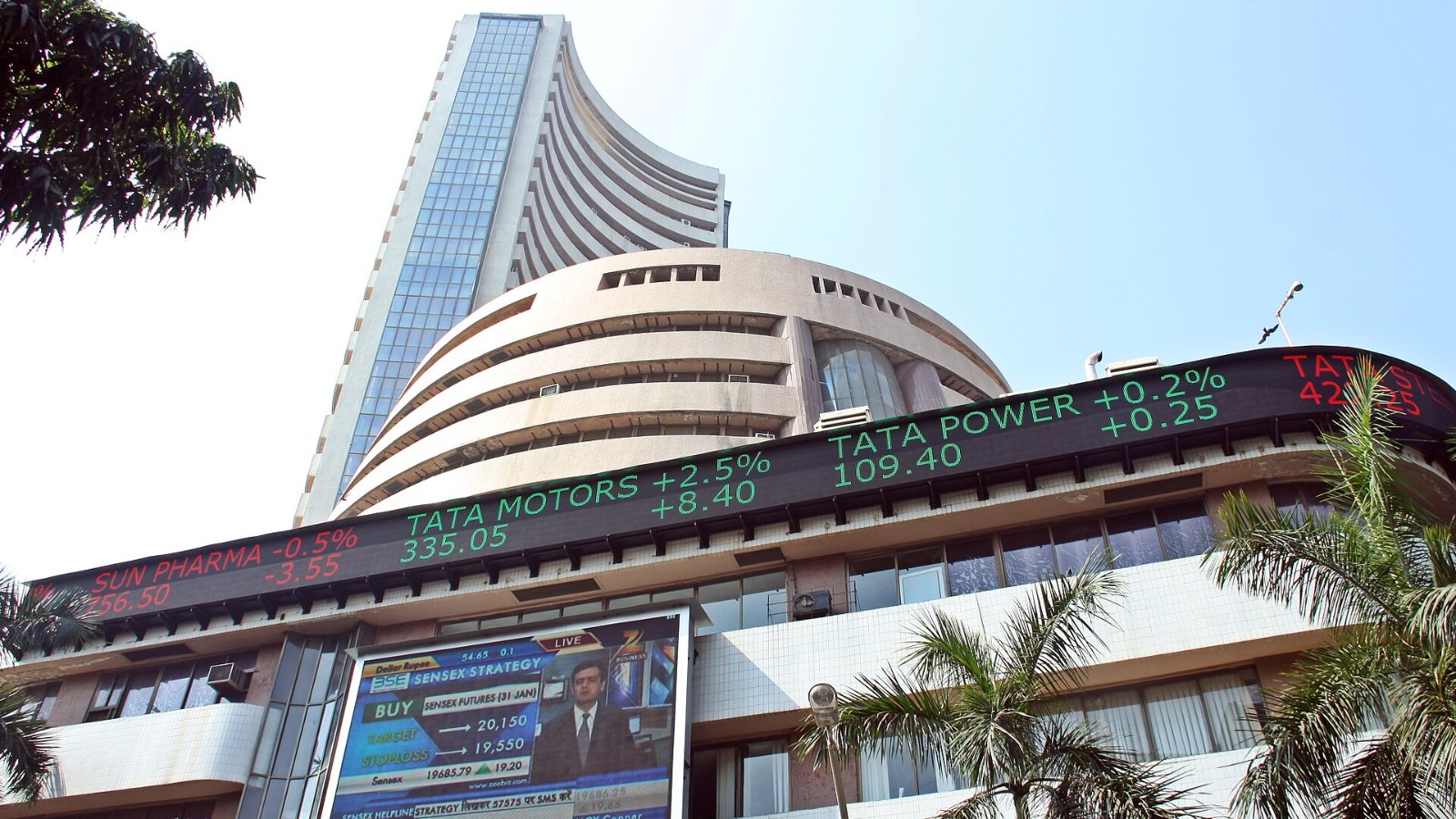
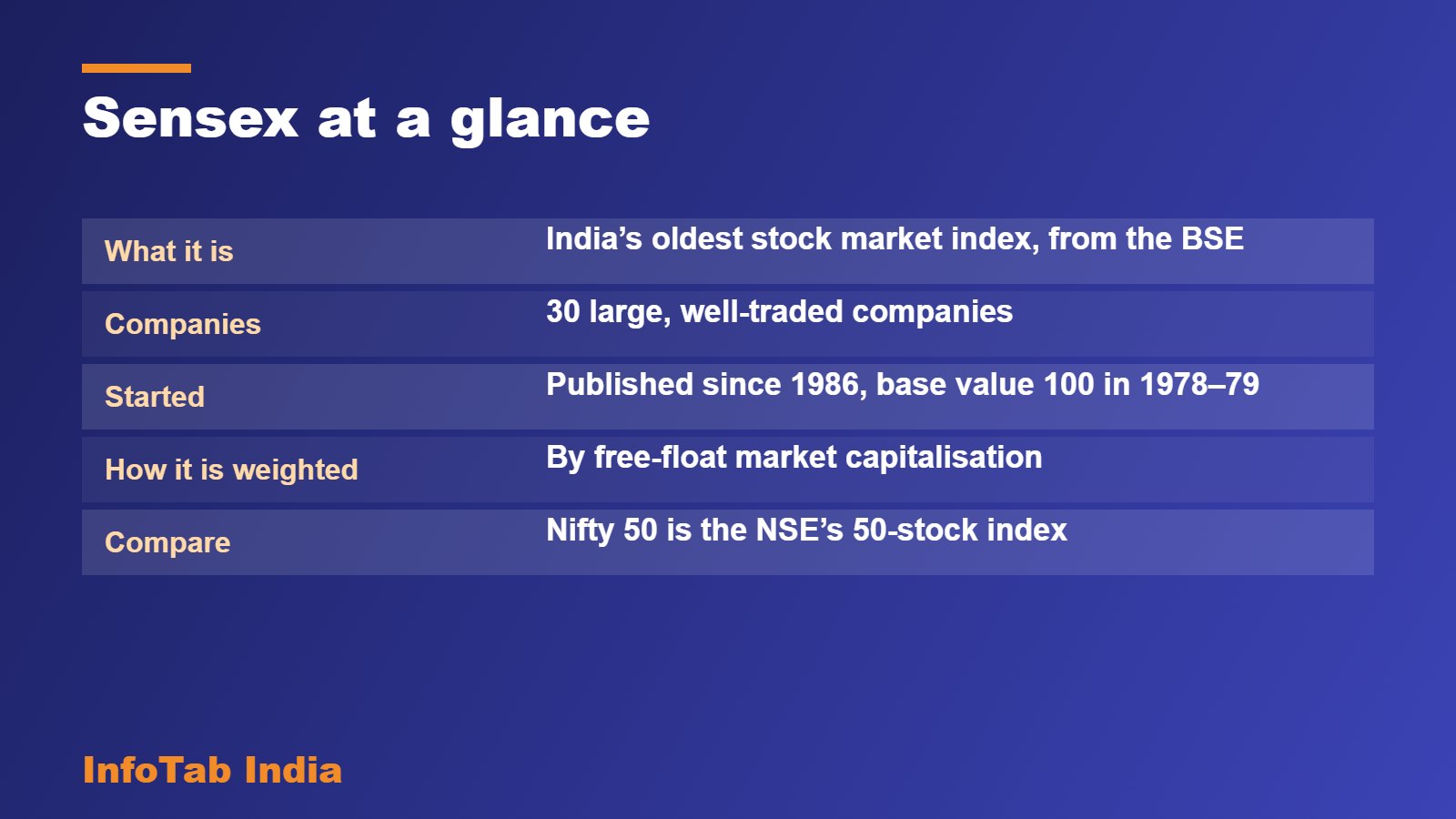
The BSE Sensex is a stock market index. It follows the share prices of 30 large and well-traded companies listed on the BSE (formerly the Bombay Stock Exchange) and acts as a health check for the market. It has been published since 1986, and its base value was set at 100 for the year 1978–79.
How is it calculated?
The Sensex uses the free-float market capitalisation method. In simple terms, each company counts according to the value of the shares that the public can actually trade, not all of its shares. A bigger free-float value means a bigger effect on the index. The BSE reviews and updates the list of 30 companies from time to time so that it reflects the market.
Sensex and Nifty: what is the difference?
| Sensex | Nifty 50 | |
|---|---|---|
| Exchange | BSE | NSE |
| Number of companies | 30 | 50 |
| Nature | A basket of large companies | A wider basket of large companies |
How to read a rise or fall
- Points and percentage: the change is shown in points and in per cent. The per cent tells you how big the move is compared with the level.
- One day is noise: daily moves can be caused by news, global markets or currency changes. Long-term trends matter more than one day.
- It is not your portfolio: the Sensex tracks 30 companies. Your own investments can move differently.
Where to check it
The official live level is on the BSE website (bseindia.com). Market hours in India are on weekdays, in the morning and afternoon session announced by the exchange.