Ahoi Ashtami 2026: Date, Vrat Katha, Puja Vidhi And Samagri
Ahoi Ashtami falls on the Ashtami (eighth day) of Kartik Krishna Paksha — in 2026, this is Sunday, November 1 — four days before Diwali. Mothers observe a day-long fast for the long life and well-being of their children, especially sons, breaking it only after sighting the stars in the evening sky — similar in spirit to Karwa Chauth, but for children rather than a husband.
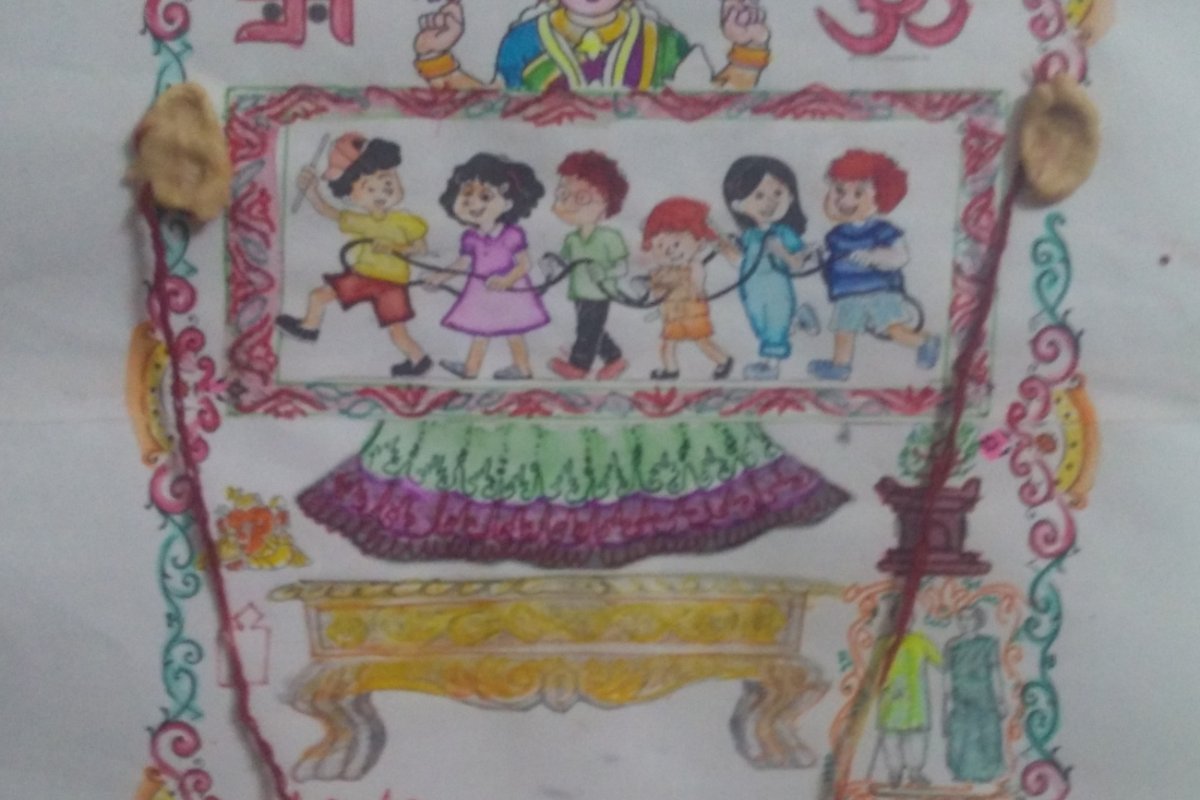
Vrat Katha: the traditional story tells of a woman who, while digging mud to repair her house ahead of Diwali, accidentally injured a baby syahu (porcupine), angering Ahoi Mata (depicted with syahu cubs). As a result, her own children began to fall ill or die soon after birth. Guided by elder women in her village, she prayed to Ahoi Mata, drew her image, and worshipped her with full devotion and remorse — after which her children were restored to health. Since then, mothers across North India observe this fast and narrate the story each year as an act of protection over their children.
Puja Vidhi: an image of Ahoi Mata (shown with eight daughters or syahu cubs) is drawn or placed on a wall or on paper. Mothers observe a nirjala (waterless) or simple fast through the day, perform the puja in the evening before or after sighting stars, listen to or narrate the Ahoi Ashtami katha, and offer water, flowers, and prasad to the image before breaking the fast.
Puja Samagri: an Ahoi Mata image or poster, a Syahu Mala (a silver or thread necklace with beads, worn by the mother during puja and later by her children), a small kalash or lota filled with water, rice (akshat), flowers, sweets, and a diya.
Shubh Muhurat: the puja is typically done in the evening, around twilight, with the fast broken after the stars become visible — usually between roughly 5:45 PM and 6:30 PM local time; exact timing varies by city, so check your local panchang.